Jumpstart Your Future in the Water & Wastewater Industry
Water and wastewater treatment careers offer meaningful, long-term opportunities for people who want to support critical infrastructure, protect public health, and work in a hands-on environment.
- High Demand & Job StabilityEssential infrastructure means steady employment
- Career Advancement OpportunitiesGrow from entry-level to supervisory roles
- Work That MattersProtect public health and the environment every day
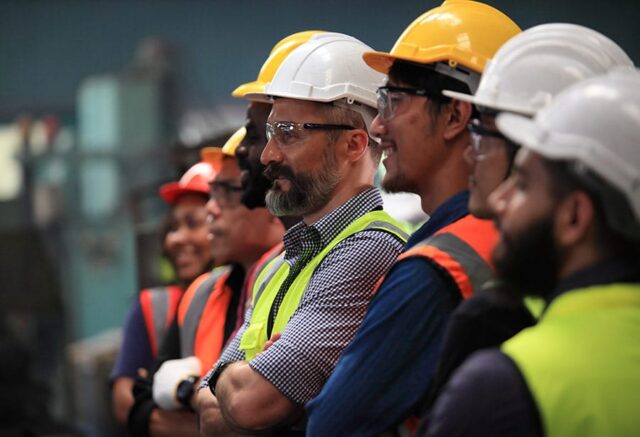
Why Choose a Career in Water & Wastewater Treatment?
Build a meaningful career that protects communities
High demand and job stability
Water treatment plants and wastewater systems are essential infrastructure. Skilled professionals are always needed to keep them running safely and efficiently.
Career advancement and specialization
You can grow from an entry-level technician into supervisory, engineering, or regulatory roles through experience, certifications, and on-the-job training.
Work that matters
Every role in this industry helps protect our environment, public health, and communities, day in and day out. Choose a career where you make a positive difference every day.
Advice for Getting Your First Water & Wastewater Job
If you’re interested in launching a water treatment career, here are a few tips to help you break into the industry:
Start with an entry-level role
Many wastewater jobs, like plant technician or operator trainee, require only a high school diploma and basic mechanical aptitude.
Highlight transferable skills
Experience in plumbing, mechanical systems, electrical work, or construction can all translate well into water operator jobs.
Pursue certification
Most states require water and wastewater operators to become certified. You can often start working while studying for your license.
Work with a staffing partner
WaterWorkforce can help you find your first job, even if you don’t have previous treatment plant experience.
Get hands-on training
Consider internships, apprenticeships, or roles in maintenance or utilities to gain exposure to treatment plant operations.
Water & Wastewater Jobs
Common roles in the water treatment industry
Industry Training & Skills Requirements
Most water operator jobs and wastewater jobs require a combination of education, certifications, and on-the-job experience.
Typical Requirements:
- High school diploma or GED (minimum)
- Basic math and science proficiency
- Mechanical or electrical aptitude
- State-issued operator certification (Class I–IV)
- Valid driver’s license (especially for field roles)
Recommended Skills/Certifications:
- Attention to detail
- State water distribution operators/ State water treatment operators/wastewater operator certifications (D1-D5, T1-T5, Grade I–V)
- Comfort working in industrial or outdoor settings
- Ability to read gauges, meters, and technical schematics
- Safety awareness and regulatory understanding
- Problem-solving and critical thinking
Training Resources:
- Local technical colleges and water operator programs
- State licensing agencies (e.g., California SWRCB, TCEQ, etc.)
- On-the-job training through contractors or municipal plants
- WaterWorkforce training and placement partnerships
Opportunities WaterWorkforce Provides for Job Seekers
WaterWorkforce helps connect skilled professionals—and those who want to become one—with rewarding jobs in water treatment and wastewater operations. Our services are free for job seekers and include:
- Access to contract, contract-to-hire, and full-time roles
- Personalized job matching based on your skills and certifications
- Support with state licensing requirements and renewal timelines
- Opportunities with municipalities, utilities, and industrial facilities
- Job placement in high-demand roles across the U.S.
- Optional training and onboarding assistance
Whether you’re looking to get your foot in the door or ready to take the next step in your career, we’re here to help.

How To Get Started With WaterWorkforce
Step 1: Create a Free Account
Join our system and tell us about your background, skills, licenses, and career goals.
Step 2: We Match You With Jobs
Our team will connect you with roles that match your qualifications, location preferences, and schedule.
Step 3: Start Your New Career
We’ll support you through interviews, onboarding, and even post-placement if needed.